EQ: Should You Boost or Cut?
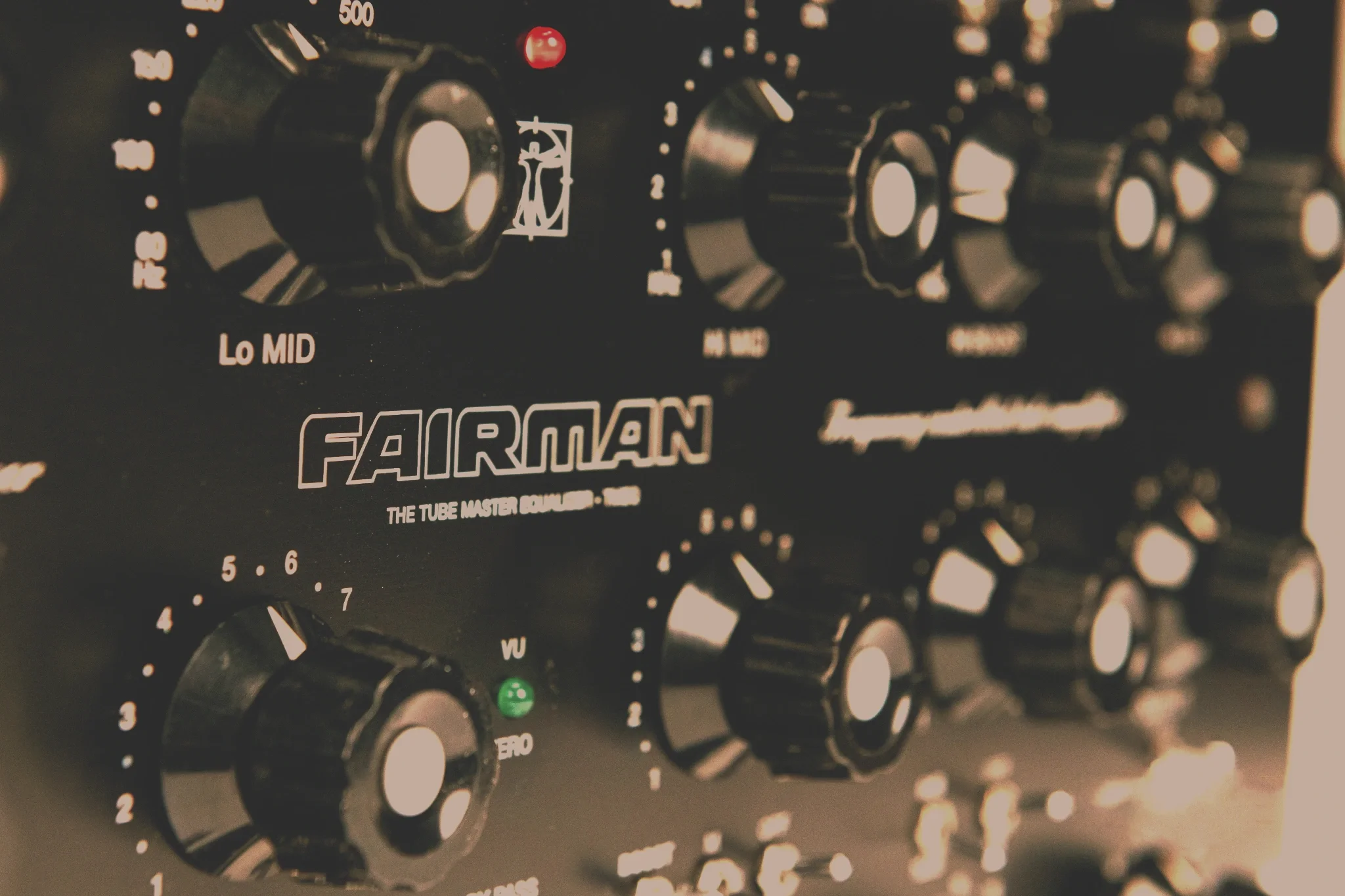
Most engineers reach for the boost button.
I get it. Boosting sounds better immediately. You push up the mids, the vocals jump forward, problem solved. It's instant gratification.
But sometimes the better solution is counterintuitive.
Last month, I worked on a rock track where the vocals were completely buried. Guitar frequencies and cymbals were fighting for the same space. My first instinct? Boost the vocal range, add some mid-side processing, maybe throw in some multiband compression.
Heavy-handed? Sure. But it felt effective.
Here's the thing though—whenever I find myself using aggressive processing, I force myself to try a simpler approach for comparison. Not because simple is always better, but because it makes me think differently about the problem.
Instead of boosting what I wanted to hear, I tried the opposite: raise the overall level until the vocals sat right, then cut away everything that's getting in the way.
I used a high-pass filter and a substantial bass cut—about 7dB at 40Hz. (Yes, 7dB. Sometimes you need to be bold.) I also carved out some harsh frequencies around 8kHz.
The difference was remarkable.
The vocals became clearer than my boost-heavy approach. But here's what surprised me: the bass got better too. Instead of muddy and overpowering, the bottom end had focus. Still full and rich, but defined.
The lesson here is psychological, not technical.
When you're boosting, you're asking: "What do I want to hear more of?"
When you're cutting, you're asking: "What's getting in the way?"
Same problem. Completely different mindset.
Most of us gravitate toward boosts because they provide immediate satisfaction. Cuts require more patience. The benefits are often subtle until you A/B them. But when cuts work, they usually work better.
Your mix breathes. Elements find their natural space.
Next time you're wrestling with a mastering problem, resist the urge to immediately boost. Try the opposite first:
Raise the overall level until the main element (usually the vocal) sits where you want it
Identify what's masking or competing
Cut those frequencies instead
A/B against a boost approach
You might discover that the solution isn't adding more of what you want to hear—it's removing what you don't need.
Sometimes less really is more.
