Learning from John Hanes: How Focusing on Performance Instead of Sound Changed My Masters
Is the bass full enough? Are the highs too harsh? Does the soundstage feel wide and deep?
We get trapped in sonic checklists. Technical boxes to tick. It's easy to fall into this mindset. I've done it thousands of times.
But there's a better way to think about our work.
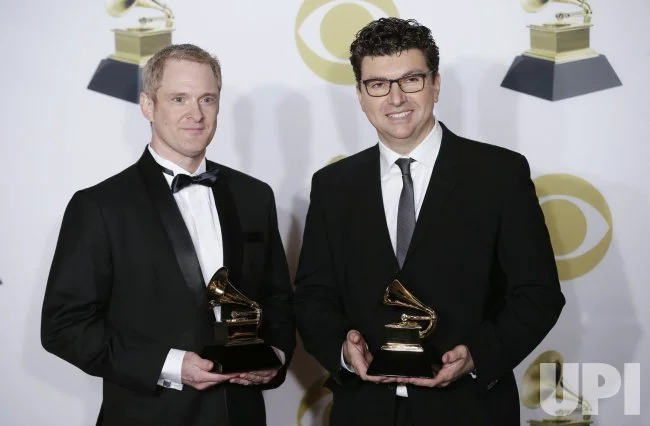
A few months ago, I was following a thread on Gearspace by John Hanes, Serban Ghenea's longtime engineering partner. These comments really stuck with me:
"Always try to keep the vocal volume sounding like it is sung well."
"I listen to the performances as I am visualising the singer. If they are rocking it out and going hard, then show that in the mix. If it is a soft and intimate moment, then show that."
Performance first. Technical considerations second.
It's such a simple shift, but it's changed how I approach every decision since.
Take limiter selection. I always try a few different limiters on each master—every one sounds different, and comparing helps ensure the right match.
But what am I listening for exactly? "Better" can be a difficult thing to nail down.
Instead, I started asking: which limiter makes the singer sound their best? Which one makes their performance feel stronger?
The decision became obvious.
I ask this question about everything now.
Considering some stereo widening? I'll close my eyes, A/B the track with and without processing, and ask which version serves the music better. This approach prevents over-processing. Many times, the music sounds better without the additional effects.
Working on an instrumental jazz record? Ask which settings make the band sound like they're performing better.
EDM track where the beat drives everything? Which approach makes the drums hit harder and feel more alive?
The shift is subtle but powerful. Instead of chasing sonic perfection, you're serving the music. Instead of getting lost in LUFS and metering, you're focusing on what the listener actually experiences.
Your technical skills still matter. You still need to know your tools, understand your monitoring system, and make precise adjustments. But this framework gives you a different perspective.
When you're stuck between two processing choices, this performance-focused question cuts through the noise. When you're second-guessing a decision, it provides clarity. When you're worried about over-processing, it keeps you grounded.
The best masters don't just sound good. They make the artist sound like the best possible version of themselves. Stop asking if it sounds good. Start asking if the performance feels right.
References:
