How Reverse-Engineering a Bob Ludwig Master Changed My Compression Game
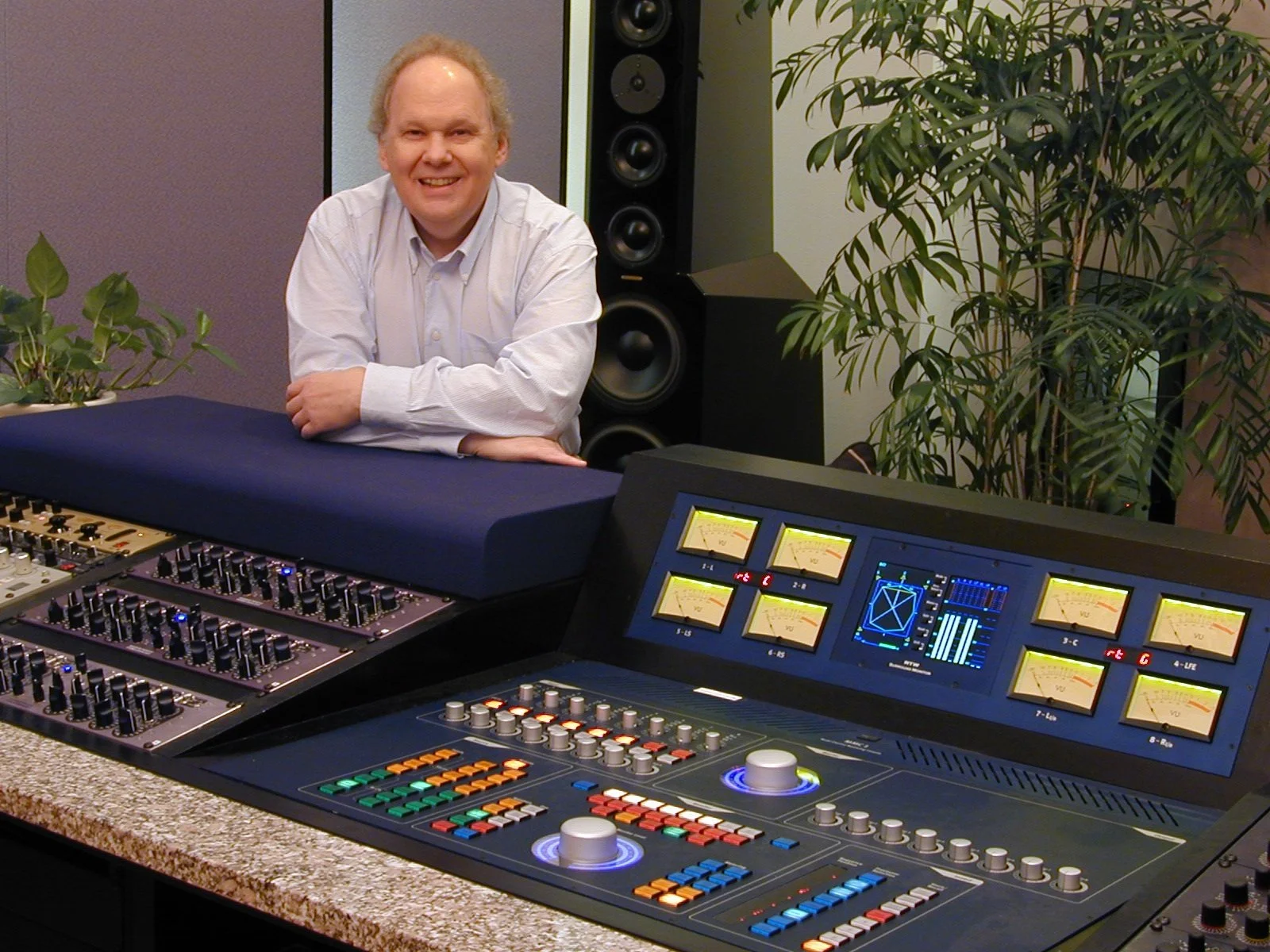
In 2003, while I was doing my Master's at McGill, Bob Ludwig came for a workshop. At the end, he made an incredible offer: he'd master one song for each of us at his own studio.
I was a first-year student with barely any material. I sent him a terrible hip-hop mix I'd done—amateur drum sounds, uneven vocals, dynamics all over the place. Classic recording school mistakes.
Getting the master back was remarkable.
It was my first experience hearing a master from an A-list mastering engineer, and the difference was striking. But the real education came years later when I reverse-engineered exactly how he fixed my amateur mix—and discovered a compression technique that's saved dozens of my projects since.
I’ll be honest—my mix was embarrassing. The beat was performed by a live drummer, and my mixing of the drums left inconsistencies in the performance because I didn't compress enough. The vocals needed far more compression than I'd given them. The overall dynamics were wrong for the genre—a common mistake I see from recording school students.
Usually when I analyze masters by great mastering engineers, the source mixes are also exceptional. Analyzing these masters is still valuable, but it doesn't show what's possible when you need to fix fundamental issues. This track gave me a rare glimpse into what Ludwig could do with mixes that needed serious fixing.
Beyond basic EQ and limiting, he used spatial processing, a high-pass filter around 24Hz to tighten the bottom, and significant bus compression. The compression was the most instructive part.
My mix desperately needed it. The dynamics were too wide, nothing glued together, and the groove suffered because of it.
I don't know what compressor he actually used—his studio had SSL compressors, the NTP 179-120, Weiss, Manley Vari-Mu, and Millenia Opto comps. But I used an SSL compressor to match his sound and got closest with that.
The bus compression glued everything together, tightened the dynamics, but also enhanced the punch and groove. Fairly standard SSL settings: 4:1 ratio, slow attack, fast release, hitting around 2-4dB of reduction.
That's substantial gain reduction for mastering, but common for mix bus work. Ludwig obviously felt my mix needed serious tightening.
Here's where it got interesting. When I compared our masters using VU meters, something was off. Even though I'd matched the overall level, the kick was swinging harder on his version than mine.
My compressor was choking the kick. But backing off the threshold didn't work—the track still needed that compression.
The solution was dialling the sidechain high-pass filter to about 110Hz. Now the overall dynamics were controlled, but the kick retained its punch. The compressor was reacting less to every kick hit, allowing it to cut through while still managing the rest of the mix.
Two lessons, twenty years later
First, Ludwig's approach to my student project was a demonstration of his character. The attention he gave to my amateur mix—the same care he'd bring to a major release—was admirable. Even though he wasn’t getting paid for this master, and it was for a project that was way beneath him, he still put in the effort. It's a standard worth aspiring to.
Second, heavy SSL compression with sidechain filtering can rescue an under-compressed mix. When dynamics are all over the place, aggressive bus compression becomes a corrective tool, not just an enhancement. The sidechain filter lets you preserve the elements that need punch while controlling everything else.
That workshop was the only time I met Bob Ludwig. But the impression—both personal and technical—has lasted two decades.
Sometimes the most valuable lessons come from the most unlikely sources. In this case, an amateur student mix and a master who treated it like it mattered.
