How Andy Wallace's 'Obsessive' Approach To Bass Made Me a Better Engineer
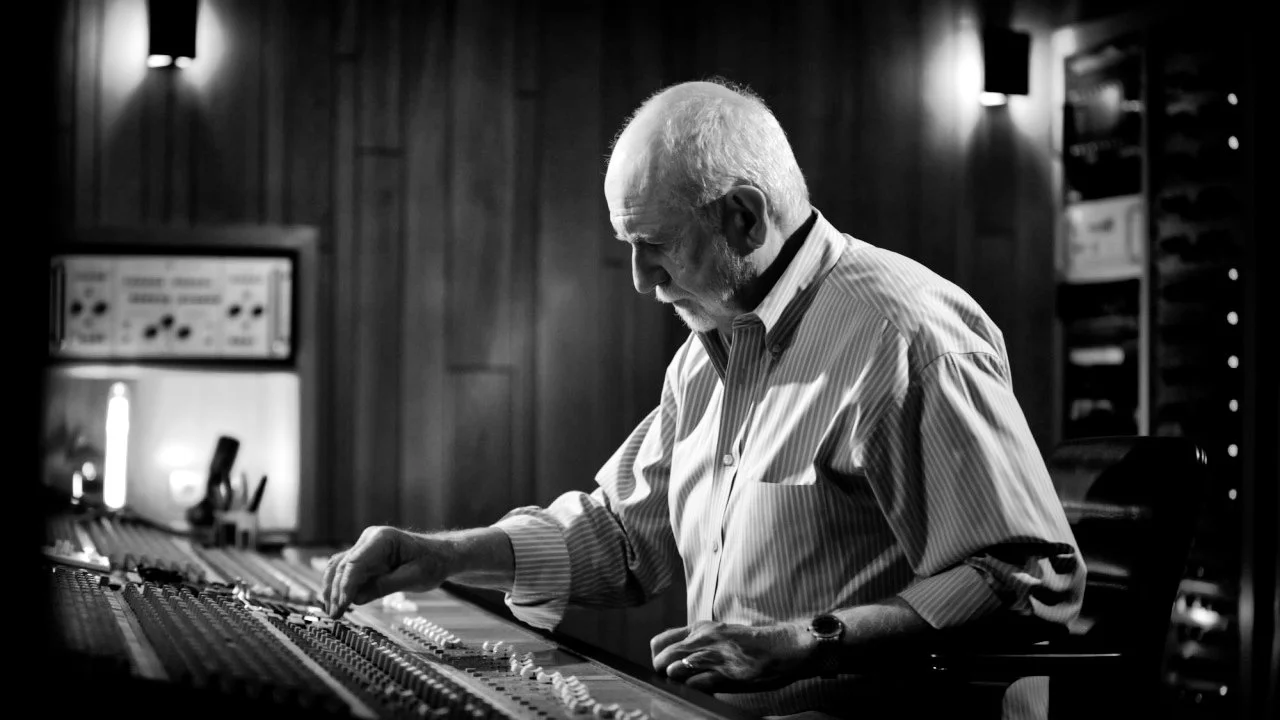
I once read that Andy Wallace, who mixed Nirvana's Nevermind and other iconic records, would dedicate part of his mixing process solely to automating the bass. He'd go through the entire track, ensuring every single bass note was heard clearly.
At first, this level of attention seemed obsessive. But as someone who's always focused on achieving great bass in my masters, I decided to try adapting this approach to my own work.
The concept is simple: dedicate one complete pass through your track to focus solely on the bass and how it interacts with other elements.
Most engineers listen to everything at once—bass, vocals, drums, guitars—all competing for attention while you try to make decisions. A focused approach highlights details that can get lost otherwise.
During these passes, I focus on:
1. The Balance Between Bass and Vocal: I like the bass to be around the same level as the vocals, or even slightly in front, if it suits the genre. But you can't let the bass overpower the vocals or other crucial elements in the track. Finding that sweet spot is important.
2. Dynamic Impact of Kick and Percussive Elements: Do I feel the kick moving towards me? Does it feel like the woofers are pushing air? If it's too much and distracting, can I tighten it up so it better fits into the mix?
3. The Clarity of the Bass Line: Can I hear each individual note in the bass line clearly? I'm listening to the same things Andy Wallace listened for. In my case, I can't automate the bass notes the way a mixer can. But I can do things in my process that can make the notes clearer if needed.
4. Texture of the Bass: What I mean by texture is how the individual parts of the tone are balanced against each other (attack, body, sustain, etc). For instance, how does the attack sound relative to the body and sustain? Is any portion of the sound out of balance?
5. A/B Comparison: Comparing the bass in my mix to the original mix is a critical step. Am I actually making improvements?
The bass pass doesn't just improve your low end—it improves everything else too.
Get the bass right, and suddenly the vocals sit better. The kick hits harder. The guitars find their space. Everything feels more balanced because you've built from a solid foundation.
Incorporating a dedicated bass pass into my mastering routine has improved both the quality and consistency of my work. Wallace's dedication might have seemed obsessive at first, but it's this attention to detail that leads to exceptional results.
